I wrote this story on my first Mother’s Day as a mother. I wanted to share an experience that changed my life forever—not because I wanted sympathy, but because I needed the world to understand what giving birth can mean when war takes away even the most basic conditions for safety, dignity, and medical care.
My name is Saja Radwan, and on October 25, 2023, I gave birth to my daughter, Tia, in Gaza, during the war.
I was nine months pregnant when I arrived at Nuseirat Hospital. I had imagined this moment so many times. Like any mother, I wanted to welcome my daughter into the world safely, surrounded by care and reassurance. Instead, I found myself in a hospital struggling with severe shortages, while the sounds of bombing and airstrikes continued around us.
There was not even a bed immediately available for me. I had to wait until one could be found. When labor began, I was alone. My mother was not allowed to accompany me, even though I was frightened and desperately needed someone beside me.
Five other women were giving birth around me, and there was only one doctor responsible for all six of us. The medical staff were overwhelmed, and I was left to endure the pain and uncertainty of labor without the support I had hoped for.
I was terrified. Every explosion reminded me that the hospital itself was not beyond the reach of the war. I was not only afraid for myself; I was afraid that my baby might never get the chance to live.
Then came a moment I will never forget.
The doctor performed an episiotomy without anesthesia. I screamed from the pain. Giving birth was already overwhelming, but experiencing such a procedure without pain relief was something I had never imagined I would endure.
When Tia was finally placed on my chest, I knew she was there, but I could barely process what had happened. I was still trapped in the fear, pain, and loneliness of those moments.
The ordeal continued when the doctor began stitching my wound without anesthesia. I begged him to stop, explaining through my tears that I could no longer bear the pain. I reached a point where I asked him to leave the wound alone because I felt unable to endure any more.
After the delivery, I was placed on a plastic chair because there was no bed available for me to rest on. I could barely sit because of the pain.
My daughter had arrived safely, thank God, but I was left trying to understand how a moment that should have been filled with joy had become one of the most traumatic experiences of my life.
The pain did not end when the war continued around us.
In the weeks that followed, I continued to suffer from severe pain and relied on medication and painkillers. I had no clear answers about what was happening to my body, and access to adequate medical care remained difficult.
When I arrived in Egypt, one of my first priorities was to seek medical attention and understand the complications I was experiencing.
The doctor I consulted told me that I needed three surgeries and that complications from my delivery required further treatment. I was shocked. I had spent weeks enduring pain without understanding the extent of the problem, and now I was facing a new and frightening medical reality.
The physical suffering was only part of what I carried. I was also trying to recover emotionally from the circumstances of my daughter’s birth, while coping with displacement, uncertainty, and the responsibility of caring for a newborn.
I had become a mother, but the trauma of that day made it difficult to experience motherhood in the way I had imagined. I would wake up crying, struggle to communicate with people around me, and find even ordinary moments emotionally exhausting.
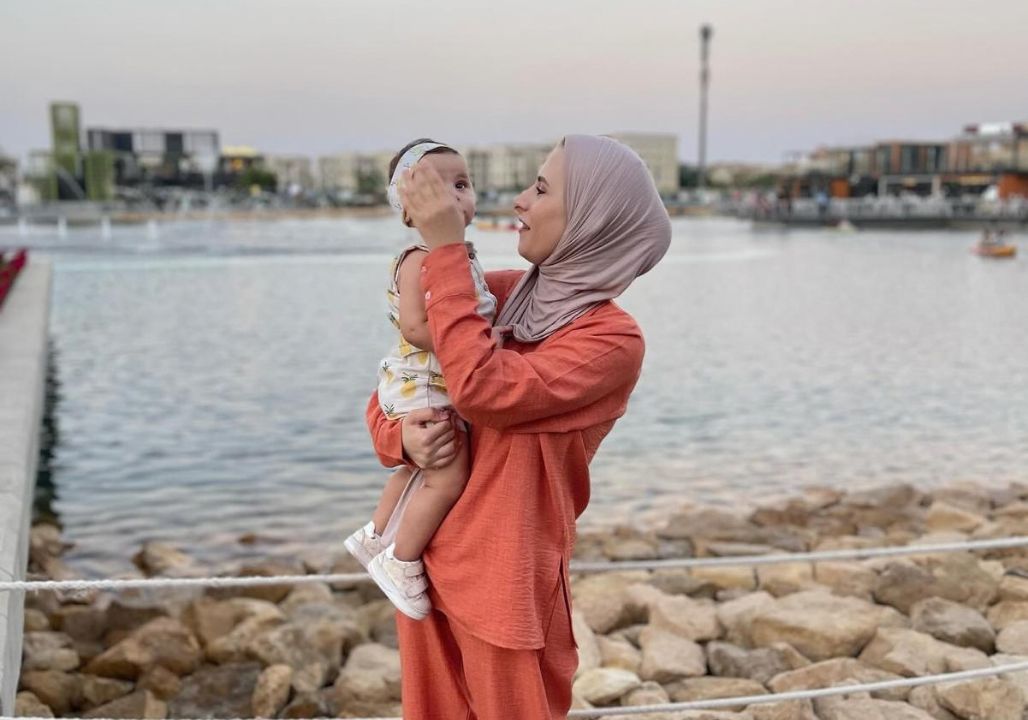
Sometimes, I held Tia in my arms and cried. Her presence brought me comfort, but it also reminded me of how different I had hoped her first days would be.
I wished she could have entered the world in peace. I wished I had been healthy, emotionally well, and able to welcome her with the joy and energy I had dreamed of giving her.
None of what happened was something I had chosen. I was a mother giving birth during a war, in circumstances shaped by medical shortages, danger, and a lack of the care every woman deserves.
One of the most painful things I heard during that period was someone asking me why I was making such a big story out of childbirth, as though every woman experienced the same thing.
But no two birth experiences are the same. My suffering was not simply the pain of labor. It was the experience of giving birth amid bombardment, without adequate pain relief, without the support of my mother, and without the medical care I needed. It was the fear of losing my child, followed by complications that continued long after the delivery.
I needed my experience to be heard rather than dismissed.
I know that many people in Gaza have endured unimaginable suffering. I do not share my story to compare my pain with theirs. I share it because my experience is part of the reality of women who have had to give birth during war, when hospitals are under immense pressure and access to essential care becomes increasingly difficult.
I also share it because motherhood changed me in ways I am still learning to understand.
Tia gave me a reason to keep going through some of the darkest moments of my life. I wanted her to grow up in a world where she could feel safe, where her needs would not become a daily struggle, and where her childhood would not be defined by fear.
My first Mother’s Day was not the celebration I had imagined. It was a moment to reflect on the birth that changed me, the pain I was still carrying, and the love I felt for the little girl who had entered my life under such difficult circumstances.
I wrote this for Tia, too. One day, I hope she will understand how deeply she was loved from the very beginning, even when her mother was struggling to find her way through the pain.
My experience of childbirth should never have been this traumatic. No woman should have to endure such circumstances simply because she gives birth during a war.
I cannot change what happened that day, but I can tell the truth about it. I can give a voice to an experience that might otherwise remain hidden behind the statistics of war and the destruction of hospitals and homes.
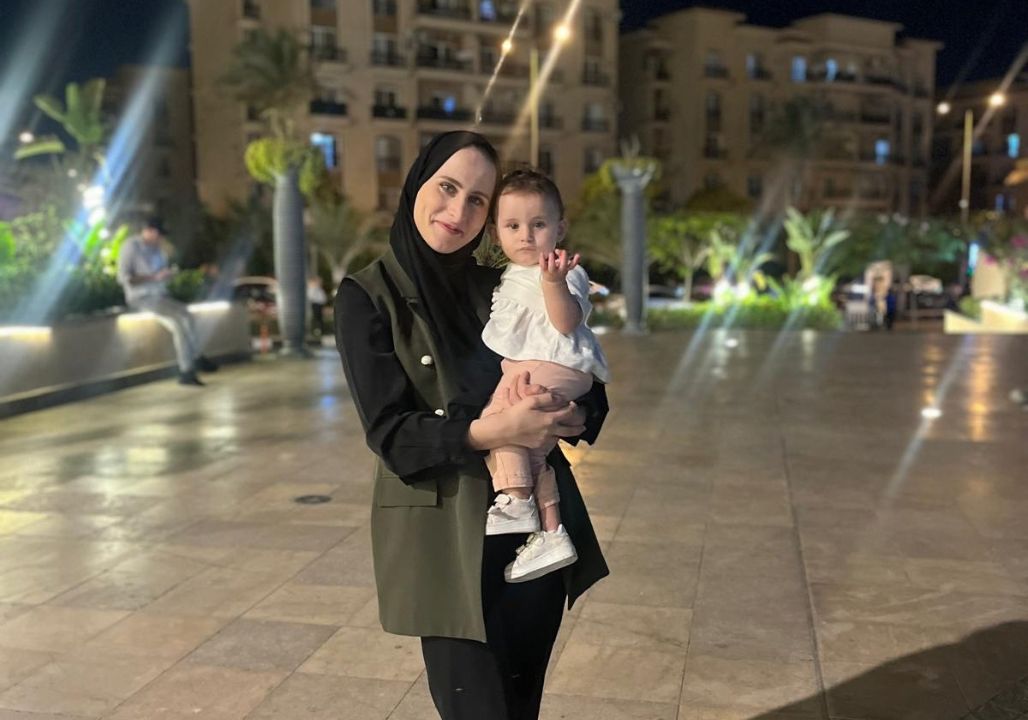
I am Saja, Tia’s mother. I am still healing, still rebuilding, and still finding my way forward.
And this is part of our story.